Paul Goble, 7 Temmuz 2016
Sovyetler zamanında Ruslar “Komünist Partisi ajitasyonuna bakılırsa ülkede cinsel hayat yok” derler ve gülerlerdi. Petersburglu seçkin tarihçi Aleksey Miller “ulus” teriminin yaşadığı evrime ilişkin olarak Sovyetler Birliğinde “etnik azınlıklar yoktu” diyor.
Avrupa Üniversitesi profesörü Miller “Ulus” adlı yeni kitabını tanıttığı konuşmasında önemsiz gibi görünen terminolojik ayrıntıların Rusya’nın yaşadığı sorunların odağında olduğunu iddia etti. Sorunlar geçmişin “yıkıntıları” üzerinde bir geleceğin nasıl inşa edileceği tartışmasından kaynaklanıyor (polit.ru/article/2016/07/07/miller/).
Rusların “ulus” kelimesiyle başları hiç hoş olmamış. Kelime on sekizinci yüzyılın başında gündeme geldiğinde en az üç farklı anlamı varmış: halk anlamına geliyormuş; imparatorlukla eş anlamlıymış: siyasi kararlar üzerinde belirleyici olan soylu tabakayı ifade ediyormuş.
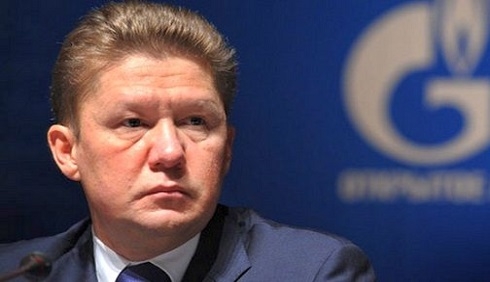
Aleksey Miller: Tarihçi, Avrupa Üniversitesi profesörü.
1789 Fransız ve 1848 Avrupa devrimleri zamanında “ulus kelimesinin kapsayıcı olduğu kadar dışlayıcı olduğunun farkına varılmış.”
Ulus kelimesi on dokuzuncu yüzyıl Rusya’sında siyasi özgürlükle birlikte anılır olmuş.
On dokuzuncu yüzyılın sonunda ulus kavramı siyaset söyleminin merkezine oturmuş. Ulusal çıkarlar – komünist dönem dışında – her zaman en yüksek hedef olmuş.
Durum şimdi de farklı değil. Miller “önceleri ulusun rakibi sınıftı. Ama sol çöktü, ulus ayakta” diyor.
Ulus tanımı üzerine sıcak bir tartışma yaşanıyor. Her durumu kapsayacak ve herkesin üzerinde uzlaştığı bir tanım yapılabilmiş değil.
Ulusun net tanımını yapmak yerine herkes istediği anlamı yüklüyor. Ruslar Sovyet mirasını aşmak zorunda oldukları bir dönemde ulus tanımının yapılamamasından kaynaklanan bir belirsizlikle karşı karşıyalar.
Miller “Sovyetler zamanında ‘yurtseverlik’ vardı ve olumlu bir anlama sahipti” diyor. “‘Milliyetçilik’ de vardı. Ama burjuva inancı olduğu için kötüydü. “Enternasyonalizm” proleterdi, komünistti, yani iyiydi. ‘Kozmopolitanizm’ ise köksüzdü, burjuvaydı, lanetleniyordu.”
Dolayısıyla “Sovyet dilinde ulus kelimesini tartışmamıza yarayacak tarafsız sözcükler yok.” Sovyetler Birliği çöktükten sonra ulus kelimesinin Batılı karşılıkları Rusların deneyimleriyle tam olarak örtüşmedi.
Rusların “milliyet” kelimesine yükledikleri anlam gibi “kendi kaderini tayin etme” olgusundan anladıkları da Batıyla aynı değil. Mevcut şartlar altında Rusların yurtseverliği tanımlarken yaşadıkları zorluklar ulusun tarif edilmesine ilişkin sorunu daha da içinden çıkılmaz hale getiriyor.
Bir başka sorun “ulusal toprak” hakları üzerine yaşanıyor. Miller’a göre “Rusya için bu çok önemli bir mesele. Zira Ruslar Sovyetlerin “mülki kimlik” pratiğini devraldılar. Sovyetler Birliğinde ‘azınlık’ ve azınlık hakları kavramlarını karşılayacak terimler yoktu.”
Miller “Sovyetlerin bu sorunu çok basit yoldan çözdüğüne” işaret ediyor. “Azınlığı çoğunluk hale getirecek şekilde sınırlar çiziliyor, toprak tahsis ediliyordu. Bunun sonucu olarak Rusya Federasyonunda çok sayıda ulusal özerk cumhuriyet var. Nüfuslarının bir kısmı bu toprakların kendilerine ait olduğuna içtenlikle inanıyor.”
Miller “ne yapılmalı?” diye soruyor. Birçok Rus “normalleşme” yolunun “ulus devletten” ve “imparatorluğa veda etmekten” geçtiğine inanıyor. Ama bu tehlikeli bir yol; üstelik tek çare de değil.
“Devlet ulus” yaratma seçeneğini unutmamak lazım.
Miller bunun çok sayıda örneği olduğunu söylüyor. Bunlar Kanada ve Kebek (Quebec) bölgesi, Hindistan ve yakındaki Ukrayna. Rusya ulus devlet dayatmasından kaynaklanacak sorunlarla karşılaşmak istemiyorsa bu ülkeleri örnek alabilir.
Ne var ki Ruslar bu konuyu tartışmaya yarayacak terimlere bile sahip değiller.
Terimler üzerinde uzlaşılamamasını istismar eden siyasiler ülkenin sorunlarını ancak kendilerinin çözeceğini söylüyorlar. Böylece sorun basite indirgenmekle kalmıyor, ülkenin demokratik gelişimi de sekteye uğruyor.
“Demokrasi” diyor Miller, “çoğunluğun zaferi değildir. Azınlığın düşüncesini siyaset alanından dışlamama halidir. Yoksa tek bakış açısının batağına saplanırsınız.”
Ruslar bir başka Sovyet mirasının sıkıntısını yaşıyor, tek adamın her şeyi düzeltebileceğine inanıyorlar. Kimileri Yuri Andropov’un Sovyetler Birliğindeki ulusal-mülki birimleri “49 veya 50” devletle ikame etme düşüncesini hatırlıyor.
Miller “bu proje hayata geçirilseydi doğru sonuç alınabilirdi. Ama o zamandan beri bu mekanizmanın iflas ettiği de unutulmamalı” diyor. Dolayısıyla bugün Rusya Federasyonu içindeki cumhuriyetler kolayca tasfiye edilemez.
Miller sözlerini şöyle tamamlıyor: “Zira biz benzeri olmayan bir deneyim devraldık… Sovyetler Birliğinin enkazı üzerinde yaşıyoruz. Enkaz boşluk demek değildir. Roma nasıl Kolezyum’un enkazını dikkate almak zorundaysa Rusya da aynı şeyi Sovyetler için yapmak zorunda.”
Çeviri: Dr. Ömer Aytek Kurmel
Cherkessia.net, 9 Temmuz 2016
***
‘In the USSR, There Were No Ethnic Minorities,’ St. Petersburg Historian Says
Paul Goble,,July 7, 2016
Staunton – In Soviet times, many Russians liked to joke that if one listened to CPSU agitators, it was clear that “in the USSR, there [was] no sex.” Now, Aleksey Miller, a distinguished St. Petersburg historian, in a discussion about the evolution of the meaning of the term “nation,” points out that in the Soviet Union, “there were no ethnic minorities.”
A professor at the European University in Russia’s northern capital, Miller discussed his new book, “Nation,” at a lecture earlier this week in which he argued that what may seem like irrelevant terminological disputes are in fact near the center of the problems Russia faces in constructing its future on “the ruins” of the past (polit.ru/article/2016/07/07/miller/).
Russians have long had problems with the word “nation,” he says. When the term arrived in their country in the early 18th century, it had at least three different meanings; as a designation for the people, as an equivalent of the empire, and as the social stratum, at that time, the nobility, that had influence on state decisions.
Later, under the impact of the French revolution of 1789 and the European ones in 1848, Miller argues, it became obvious among Russians that “the nation is not only about inclusion but also about exclusion,” be it within a country or between it and others. And thus it became wrapped up with the issue of political liberation in 19th century Russia.
Indeed, he argues, “by the end of the 19th century, we have a situation in Russia when the nation becomes the central symbol of political discourse.” And with the exception of the communist period, Russians since that time have spoken about the defense of national interests as the highest goals.
That is true now, Miller continues. “Earlier the nation had a competitor – class. But after the left – communist and socialist – agenda lost, the nation remains.” That means it is the subject of intense dispute and “there cannot be any definition of the term nation” that fits all cases and is approved by all people.
What we see, he says, are efforts “not to clarify how to define a nation correctly” but rather “how people use this term.” And that has landed Russians in no end of difficulties especially now when they must somehow assimilate and then overcome the Soviet inheritance in this sector.
“In Soviet times,” the scholar recalls, “there was the term ‘patriotism’ and it was good. There was also the term ‘nationalism’ and it was bad because it was bourgeois nationalism. There was also ‘internationalism’ and it was good, proletarian and communist. And there was ‘cosmopolitanism’ which was rootless, bourgeois and meriting complete condemnation.”
As a result, “in our Soviet language, there were no neutral words for the discussion of the problems which we are addressing when we use the term ‘nation.’” But after the end of the USSR, Western understandings of the nation and the national flooded in but did not make for an easy fit with Russians and their experiences.
Thus, the Russian understanding of what is “’nationality’” does not correspond to the same word “in Western political discourse, and the same thing applies to the concept of “national self-determination.” And this situation is further complicated by the problems Russians have in defining what patriotism means under current conditions.
There is also the realted but critical question about which nations have the right to what is called “’a national territory.’” According to Miller, “for Russia, this is an extremely important issue because [Russians] have inherited the Soviet practice of territorial identity’ [because] in the USSR there were no terms for ‘minorities’ and the rights of minorities.”
He points, out that “the Soviet Union solved this problem in a very simple way: if some group of individuals who are a minority exists, then we will mark out a territory where that group will be a majority. And in this way, we will resolve its problems.” As a result, the Russian Federation today has a large number of national autonomous republics, part of the population of which sincerely believes that these are their national territories.”
What should be done about this? Miller asks rhetorically. Many Russians insist that “the path to normalcy” involves “the establishment of a nation state,” so that they “must say ‘goodbye’ to an empire.” But that is a dangerous path, and it is not the only one available, he argues. There is also the path that involves the creation instead of “a state nation.”
Examples of this abound, he says. Canada with its Quebec is one. India is another. And “today we can observe this close to home in Ukraine.” Russia could thus move in their direction as well lest it spark the problems that trying to impose a nation state would inevitably involve. Unfortunately, he says, Russians lack the terms they need even to discuss this.
And that opens the way to disaster because various politicians exploit the lack of agreement on terms to suggest that they have the unique answers to the country’s problems – and that claim not only makes a mockery of the complexity of the situation, Miller says, but undermines the possibility of the country’s democratic development.
“Democracy,” he points out, “is not the triumph of the will of the majority; it is a situation in which the political victory of a specific majority does not push out of the political field the opinion and possibility of a minority. Because otherwise you land in the swamp of a single point of view.”
The Russians also suffer, he suggests, from another Soviet inheritance: the assumption that a leader can make everything right by his own actions. Some recall that Yury Andropov once thought about ending the national-territorial divisions of the USSR and replacing them with “49 or 50” states.
Had he lived long enough to propose this formally and ask the CPSU and Soviet leaders to approve it, “I think,” Miller said, “that he would have gotten the correct outcome. But all the same, since that time, such mechanisms have ceased to work.” And consequently, today Moscow can’t simply do away with the republics within the Russian Federation.
That is because, Miller says in conclusion, “we have inherited a quite unique experience … We live on the ruins of the Union. Remember: ruins are not an empty space” either in Rome where there is the Colosseum or in Russia where there is much that is Soviet. In Rome, people have to take the ruins into account; in Russia, the same thing is true.
Bu haber toplam 3508 defa okundu.