Karakter boyutu :


Alexey Malashenko: Bölünmüş Rusya

12 Kasım 2014 Çarşamba Saat 09:02
Alexey Malashenko, 11 Kasım 2014
Etnik ve dinsel gerilimler Rusya’nın toplumsal ve siyasal hayatının bir parçası. Dönemsel inişler dışında son yirmi yılda gerilim hep tırmandı. Gerilimi dış (Orta Asya kaynaklı) ve iç (Kuzey Kafkasya kaynaklı) göçler tetikliyor. Düşmeyen gerilimde hükümetin tutarlı bir göç politikasının olmamasının ve göçün sürmesinden sorumlu olanların çürümüşlüğünün de payı var.
Moskova, Dağıstan ve Hantı-Mansi Özerk Bölgesi bu gerilimi özellikle hissediyor ; gerilim buralarda sistematik hale gelmiş durumda. İki milyonun üzerindeki göçmen başkentte sorun yaratıyor ; Dağıstan’da gerilim radikal İslam’ın güçlenmesiyle bağlantılı. Hantı-Mansi Özerk Bölgesi ise sorunlu topraklar listesine nisbeten yeni –beş altı yıl önce- girdi. Moskova gibi burada da etnik çatışmalar –bölgenin demografik görüntüsünü değiştiren- Müslüman göçmenlerin sayısının artmasıyla süreklilik kazandı. Bunların dışında Rusya’da on bir bölgede –özellikle Astrahan, Volgograd, Rostov ve Başkurdistan- sayısız etnik ve dinsel çatışma şiddete yol açıyor.
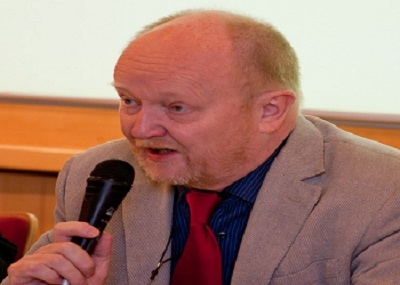
Alexey Malashenko:Akademisyen, Din, Toplum ve Güvenlik Programı, Carnegie Moscow Center
Ulusal Çatışmaları Araştırma Merkezi, Bölgeler Kulübü ve simgesel başlıklı “Gazap Üzümleri” raporuna göre Rusya’da sadece otuz bölgede etnik sorun yaşanmıyor. Aralarında İnguşetya, Çeçenya, Nijni Novgorod ve Perm’in olduğu bu “başarılı” bölgelerde bile ara sıra çatışmalar ve hatta terör saldırıları yaşanıyor.
Son yıllarda Rusya’da –çoğu yabancı kabul ettikleri bir kültüre asimile olamayan- göçmenler eliyle etno-kültürel bölgeler çoğalıyor. Kendi normlarına göre yaşayabilecekleri kendi altyapısına sahip yerleşimler kuruyorlar. Bazı uzmanlar Moskova’nın dışındaki belli mahallelerin –sadece on yıl önce hayal bile edilemeyen- gettolara dönüştüğüne inanıyorlar.
Müslüman göçmenler dinleriyle giderek daha fazla özdeşleşiyorlar ve dinin gereklerini yerine getiriyorlar. Ana akım Müslüman göçmenlerle birlikte ülkeye bazı radikallerin girmesi İslam düşmanlığını körüklüyor.
Etno-dinsel gerilim 2014 yılında bir nebze yatıştı. İlk dokuz ayda etnik çatışmaların sayısı yüzde 35 azaldı. Ocak ayına kadar ciddi sorunlar yaşanmazsa 2014 tarihe nisbeten sakin bir yıl olarak geçebilir. Düşüş Ukrayna’daki çatışmalardan kaynaklanıyor. Rus toplumu düşman olarak başta Amerika olmak üzere Batı’yı ve –resmi propaganda tarafından faşist olmakla suçlanan- Ukrayna’yı görüyor.
Ne var ki hedefi değişse de yabancı düşmanlığı yerinde duruyor, hatta yükseliyor. Ruslar’ın yeni düşmanı komşu ülkelerden gelen ziyaretçiler ve Kuzey Kafkasyalılar olacak. Çünkü bu insanlarla daha sık karşılaşıyorlar. 4 Kasım’daki “Rus Yürüyüşü” sırasında Milliyetçi Parti lideri Dmitri Dyomuşkin Orta Asya kaynaklı göçle mücadeleden vazgeçmeyeceklerini tekrarladı.
Çeviri : Dr. Ömer Aytek Kurmel
Cherkessia.net, 12 Kasım 2014
****
******
Russia Divided
Alexey Malashenko , November 11, 2014
Inter-ethnic and inter-religious tensions are a constant factor in Russia’s social and political life. Over the last two decades they have generally increased, despite periods of waxing and waning. These tensions are fueled by migration—both external (mostly from Central Asia) and internal (from the North Caucasus). The lack of adequate government policy on migration and corruption among those responsible for migration flows contributes to the continued tensions.
Moscow, Dagestan, and the Khanty-Mansi Autonomous Region feel these tensions particularly strongly; they have become systematic there. A large number of migrants—over 2 million people—causes problems in the capital; in Dagestan, the tensions are related to the growth of radical Islam. As for the Khanty-Mansi Autonomous Region, it appeared on the list of the problematic territories relatively recently—only five to six years ago. Just as in Moscow, the sustained interethnic clashes there are caused by the rapid increase in the number of Muslim migrants, which has changed the demographic outlook in the region. Eleven other Russian regions are experiencing problems, particularly Astrakhan, Volgograd, Rostov, and Bashkortostan where numerous ethnic and religious clashes have occasionally resulted in violence.
According to a recent study of interethnic tensions prepared by the Center of Research on the National Conflicts and the Club of Regions and symbolically titled “The Grapes of Wrath,” only thirty Russian regions face no or few ethnic tensions. But even these “successful” regions, which incidentally include Ingushetia, Chechnya, Nizhny Novgorod, and Perm, occasionally experience conflicts and even terrorist attacks.
In recent years, Russia has seen a proliferation of new ethno-cultural zones created by migrants, most of who cannot assimilate into a culture they consider alien. They therefore form their own settlements, sometimes even with their own infrastructure, where they can live according to their own norms. Some specialists believe that certain neighborhoods on the outskirts of Moscow are turning into ghettos, which seemed impossible just ten years ago.
Muslim migrants increasingly identify with their religion and become more religiously observant. Some Islamic radicals enter the country along with mainstream Muslim migrants, giving rise to greater Islamophobia.
The ethno-religious tensions have subsided a bit in 2014. The number of ethnic conflicts has declined by 35 percent for the first three quarters. If no serious upheavals occur before January, 2014 may go down as a relatively calm year in this regard. The drop resulted from the Ukrainian conflict which has shifted the generally xenophobic sentiments among the Russian public from an internal to an external adversary—the West and primarily the United States, as well as Ukraine, which is persistently branded as fascist by official propaganda.
The shift in the object of xenophobia does not however eliminate it altogether. On the contrary, overall aggressiveness is on the rise, and it will still be directed toward visitors from neighboring states and the North Caucasus, whom the nationalistically-driven public encounters much more frequently than the “enemies” from the West. At the November 4 “Russian march,” the Nationalist Party head Dmitry Dyomushkin reiterated that the nationalists are not about to end their struggle against migration from Central Asia.
Scholar in Residence, Religion, Society, and Security Program
Carnegie Moscow Center
Bu haber toplam 2518 defa okundu.


Bu habere yorum eklenmemiştir. İlk yorumu siz ekleyin.